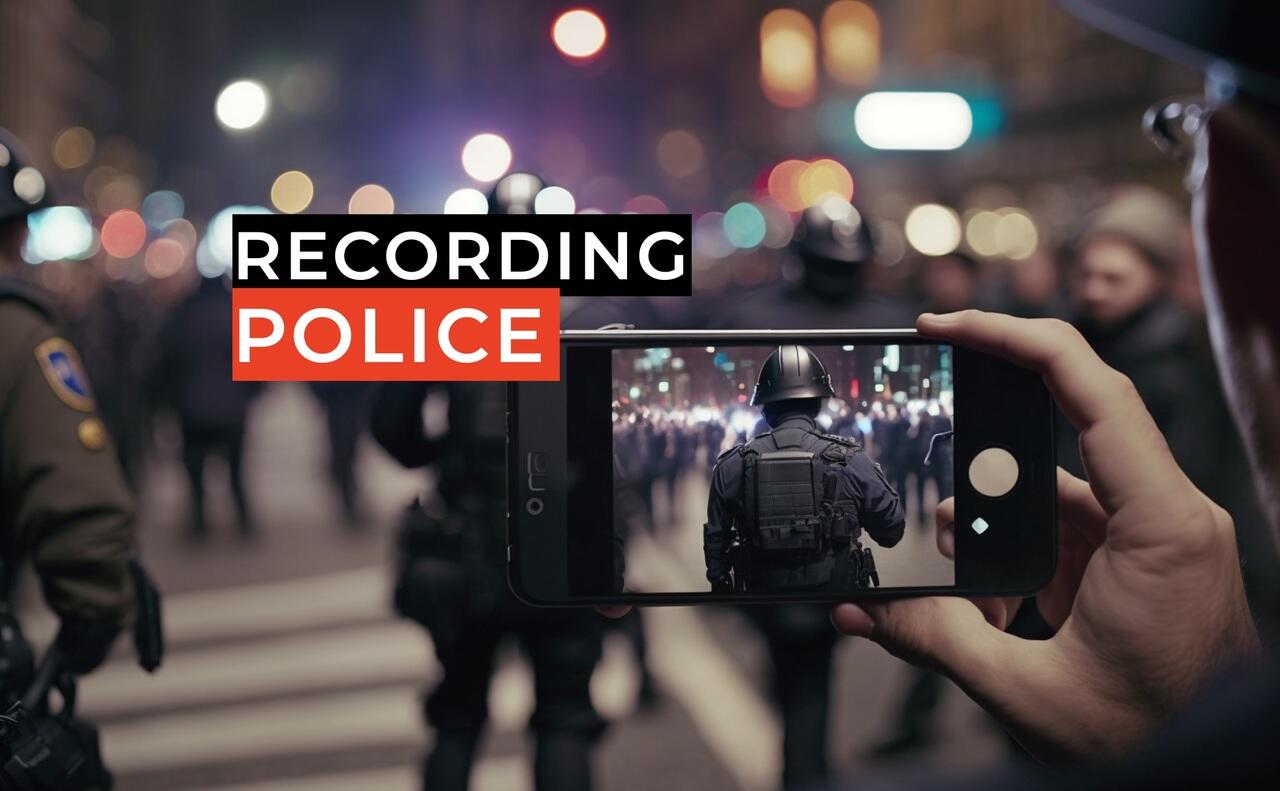
In the age of smartphones and social media, the question of whether a citizen has the right to record a police officer during an encounter has become increasingly relevant. In Ghana, interactions between the police and the public can sometimes be tense, leading many to wonder:
“Is it legal to film the police?” This article explores the legal landscape in Ghana regarding your right to record police officers and how to do so safely and lawfully.
The Constitutional Foundation: Freedom of Expression
The starting point for understanding your right to record is the 1992 Constitution of Ghana. Under Article 21(1)(a), all persons have the right to freedom of speech and expression. This freedom includes the right to seek, receive, and impart information. Recording a public official, such as a police officer, performing their duties in a public space is generally considered an exercise of this constitutional right.
Public Space vs Private Space
The legality of recording often hinges on where the encounter takes place. Police officers performing their duties on public streets, at checkpoints, or during public protests have a diminished expectation of privacy. Since they are public servants paid by taxpayers to perform a public function, filming them in these settings is widely accepted as legal, provided you are not interfering with their work.
The Rule of Non-Interference
While you have the right to record, this right is not absolute. The most important rule is that you must not interfere with the police officer’s duties. Interference can include:
- Getting too close to the officer or the person being questioned.
- Obstructing the officer’s movement or path.
- Engaging in behavior that incites violence or prevents an arrest.
- Refusing to move to a safe distance when ordered to do so for safety reasons.
If your recording activities cross the line into “obstruction of a police officer,” you could face criminal charges under the Criminal Offences Act, 1960 (Act 29).
Can the Police Seize Your Phone?
A common concern is whether a police officer can legally seize your phone or delete your footage. In Ghana, the police generally need a warrant to search or seize your electronic devices unless there is an immediate threat to life or evidence is about to be destroyed. Forcibly taking a phone simply because it was used to record an officer is often an abuse of power. Furthermore, deleting footage is a serious violation of property rights and could be seen as tampering with evidence if the recording captured a crime or misconduct.
The Position of the Ghana Police Service
In recent years, high-ranking officials within the Ghana Police Service have occasionally commented on this issue. The general consensus from a modern policing perspective is that transparency is encouraged. Recording can serve as protection for both the citizen and the officer, as it provides an objective account of what transpired. However, the lack of a specific, written “Recording Policy” often leads to inconsistent behavior among officers on the ground.
Practical Tips for Recording Safely
If you decide to record a police encounter in Ghana, follow these tips to stay within the law and ensure your safety:
- Stay Calm and Polite: Do not use the camera as a weapon or a tool for provocation.
- Keep a Safe Distance: Maintain enough space so the officer cannot claim you are interfering.
- State Your Intent if Asked: If an officer asks what you are doing, you can calmly say, “I am exercising my right to record this public encounter for transparency.”
- Do Not Resist: If an officer illegally orders you to stop or tries to take your phone, it is often safer to comply and file a formal complaint later with the Police Intelligence and Professional Standards (PIPS) bureau than to engage in a physical struggle.
- Use Cloud Backup: Use apps that automatically upload video to the cloud so the footage is safe even if the phone is taken or damaged.
Conclusion
In conclusion, you generally have the legal right to record the police in Ghana when they are performing their duties in public. This right is rooted in the constitutional guarantee of freedom of expression and the principle of public accountability. However, this right must be balanced against the need for police to perform their duties without obstruction. By recording responsibly and maintaining a safe distance, citizens can contribute to a more transparent and accountable justice system in Ghana.