
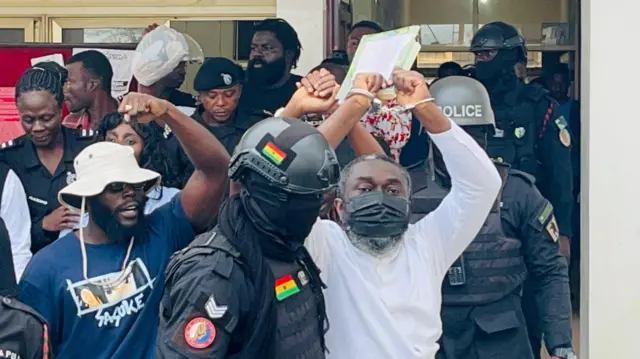
In Ghana, the power of the police to arrest a citizen is a critical aspect of law enforcement. While the 1992 Constitution protects the liberty of every individual, there are specific circumstances where the police can legally arrest you without a written warrant from a court.
Understanding these rules is essential for every citizen to know their rights and the limits of police authority.
What is an Arrest Without a Warrant?
Generally, an arrest should be backed by a warrant; a legal document signed by a judge or magistrate authorizing the police to take a specific person into custody.
However, the Criminal and Other Offenses (Procedure) Act, 1960 (Act 30) gives the police the power to act immediately in certain situations where waiting for a warrant would be impractical or dangerous to the public.
When Can the Police Arrest You Without a Warrant?
The law lists several specific scenarios where a warrant is not required. These are designed to allow the police to stop crimes in progress or capture dangerous individuals quickly. The most common reasons include:
- Committing an Offence in the Presence of an Officer: If a police officer sees you breaking the law (e.g., physical assault, theft, or reckless driving), they can arrest you on the spot.
- Reasonable Suspicion of a Felony: If an officer has a strong, logical reason to believe you have committed a serious crime (a felony) like robbery, murder, or arson, they can arrest you even if they didn’t see it happen.
- Obstruction of Justice: If you intentionally prevent a police officer from performing their duties, you can be arrested immediately.
- Possession of Stolen Property: If you are found with items that are reasonably suspected to be stolen, and you cannot provide a valid explanation, the police may take you into custody.
- Escaping from Legal Custody: If someone has escaped from prison or a previous legal arrest, any officer can re-arrest them without a new warrant.
- Breach of the Peace: If your actions are causing a public disturbance or threatening the safety of others in a public space, the police can intervene with an arrest.
The Rule of “Reasonable Suspicion”
It is important to note that a police officer cannot arrest you just because they “don’t like your face” or because you are walking at night. The law requires reasonable suspicion. This means the officer must have facts or circumstances that would lead a sensible person to believe that a crime has been, is being, or is about to be committed. If an arrest is based on mere whim, it could be considered an unlawful arrest.
Your Rights During an Arrest
Even if the police have the right to arrest you without a warrant, they must still follow the rules set out in the Constitution. You have the following rights:
- Right to be Informed: The officer must tell you the reason for your arrest immediately, in a language you understand.
- Right to Remain Silent: You are not forced to speak or answer questions. Anything you say can be used against you in court. It is often wise to wait for a lawyer before making a formal statement.
- Right to a Lawyer: You have the right to contact a legal practitioner of your choice. The police must allow you to communicate with your lawyer.
- The 48-Hour Rule: This is the most important protection. If the police arrest you, they must bring you before a court within 48 hours. If they keep you longer without a court order, they are violating your constitutional rights.
How to Behave During an Arrest
To stay safe and protect your legal position, follow these simple steps if you are being arrested:
- Stay Calm: Do not resist, run away, or struggle with the officers. Resisting arrest is a separate crime and can lead to the use of force.
- Ask for the Reason: Politely ask, “Officer, why am I being arrested?” or “What is the charge?”
- Do Not Offer Bribes: Offering money to an officer is a serious crime and will only make your situation worse.
- Observe and Remember: Try to remember the officer’s name, badge number, and the station they are taking you to. This information is helpful for your lawyer later.
Can a Private Citizen Arrest You?
Interestingly, Ghanaian law also allows for “Citizen’s Arrest.” A private person can arrest someone who commits a felony in their presence or someone they reasonably suspect has committed a felony. However, the private citizen must hand the person over to the police immediately. They do not have the right to beat or “discipline” the suspect (this is illegal mob justice).
What if the Arrest is Unlawful?
If you believe you were arrested without a warrant in a situation where one was required, or if the police used excessive force, you have the right to sue for unlawful arrest and false imprisonment. You can seek compensation for the violation of your rights. This is why having a lawyer is so important\u2014they can help you challenge the legality of the arrest in court.
Conclusion
The power to arrest without a warrant is a tool for public safety, not a license for harassment.
By understanding that the police must have “reasonable suspicion” and must respect your rights including the 48-hour rule and the right to a lawyer, you are better equipped to navigate the justice system.
Knowledge of the law is your first line of defense in protecting your freedom in Ghana.