
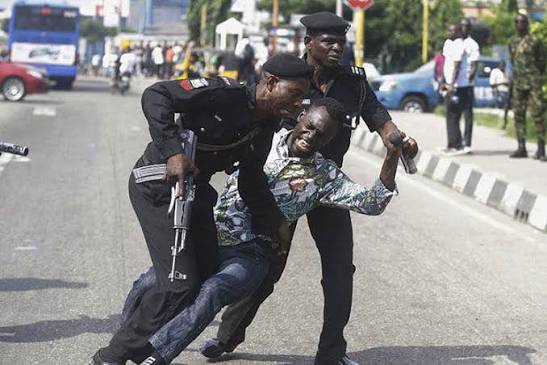
In the legal landscape of Ghana, the concept of personal liberty is a cornerstone of the 1992 Constitution. Generally, the law requires that an arrest be sanctioned by a judicial authority through the issuance of a warrant.
However, the complexities of law enforcement and the need for immediate action in certain situations have led to the establishment of specific legal provisions that allow the police to arrest individuals without a warrant.
This article explores the legal framework, the specific circumstances under which such arrests are permitted, and the fundamental rights that protect citizens during these encounters.
The Legal Framework: Act 30 and the Constitution
The primary legislation governing criminal procedure in Ghana is the Criminal and Other Offences (Procedure) Act, 1960 (Act 30). Section 10 of this Act explicitly outlines the powers of a police officer to effect an arrest without a warrant.
While these powers are broad, they are not absolute. They are subject to the overarching principles of the 1992 Constitution, particularly Article 14, which guarantees the right to personal liberty and sets strict conditions for its deprivation.
Circumstances Permitting Arrest Without a Warrant
Under Section 10 of Act 30, a police officer may lawfully arrest a person without a warrant in several clearly defined scenarios. These are designed to ensure public safety and the effective administration of justice when waiting for a court-issued warrant would be impractical or dangerous.
1. Committing an Offense in the Presence of an Officer:
The most straightforward scenario is when a person is caught in the act of committing a crime. Whether it is a minor misdemeanor or a serious felony, if a police officer witnesses the illegal act, they have the immediate authority to intervene and take the individual into custody.
2. Reasonable Suspicion of a Felony:
A police officer can arrest someone if they have reasonable grounds to suspect that the person has committed a felony. A felony is a serious crime, such as murder, robbery, or rape.
“Reasonable suspicion” is a legal standard that requires more than a mere hunch; the officer must have factual information or circumstances that would lead a reasonable person to believe a crime was committed by that specific individual.
3. Obstruction of Justice:
If an individual willfully obstructs a police officer while they are performing their lawful duties, that individual can be arrested on the spot. This includes physically preventing an officer from making another arrest or interfering with a crime scene investigation.
4. Escape from Lawful Custody:
If a person has escaped from prison, a police station, or any other form of lawful detention, any police officer has the power to re-arrest them without needing to go back to court for a new warrant. This also applies to individuals who attempt to escape while being lawfully transported.
5. Possession of Housebreaking Tools:
Being found in possession of tools typically used for housebreaking (such as crowbars, master keys, or specialized pliers) without a lawful excuse is grounds for arrest. The law presumes an intent to commit a crime in such instances unless the individual can provide a legitimate reason for carrying such items at that specific time and place.
6. Breach of Peace:
Police officers have the authority to arrest individuals who are engaging in conduct that breaches the peace or where there is a reasonable apprehension that a breach of the peace is about to occur. This is often used to de-escalate volatile situations in public spaces.
The Importance of “Reasonable Grounds”
The term “reasonable” is vital in Ghanaian law. It serves as a check against the abuse of police power. If an arrest is challenged in court, the police must be able to justify their actions by showing the specific facts that led to their suspicion.
An arrest based on prejudice, personal vendetta, or insufficient evidence can lead to legal action against the state for unlawful arrest and false imprisonment.
Constitutional Safeguards and Your Rights
The fact that the police can arrest you without a warrant does not mean you lose your fundamental human rights. The 1992 Constitution provides several protections that the police must respect from the moment of arrest:
- Right to be Informed: You must be told immediately, and in a language you understand, exactly why you are being arrested. The police cannot simply say “come with us” without providing a reason.
- Right to Counsel: You have the right to remain silent and the right to consult a lawyer of your choice. You should be informed of this right at the time of your arrest.
- Protection Against Self-Incrimination: You cannot be forced to make a statement or confess to a crime. Any statement made under duress or torture is inadmissible in court.
- The 48-Hour Rule: This is perhaps the most critical protection. Any person arrested or detained must be brought before a court within 48 hours. If the police wish to keep you longer, they must obtain a remand order from a judge.
- Right to Bail: For most offences, an arrested person has the right to apply for bail, either at the police station (police inquiry bail) or before a court.
Conclusion
While the police in Ghana do have the power to arrest without a warrant, this power is strictly regulated by Act 30 and the Constitution. These provisions are intended to strike a balance between the need for effective law enforcement and the protection of individual liberties.
As a citizen, understanding these laws empowers you to navigate encounters with law enforcement confidently and ensures that your rights are upheld. If you believe you have been arrested unlawfully, it is essential to seek legal advice immediately to protect your interests and hold the relevant authorities accountable.
Disclaimer:
This article is provided for informational purposes only and does not constitute legal advice. Laws and legal interpretations can change. If you or a loved one are facing legal issues or arrest in Ghana, please consult with a qualified legal practitioner licensed to practice in the Republic of Ghana.