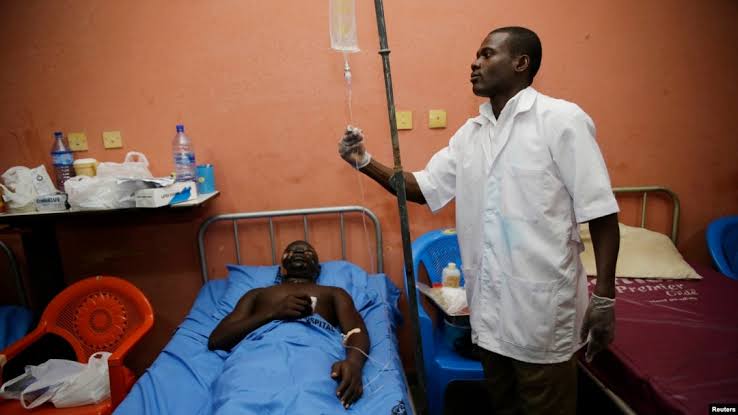
In Ghana, the relationship between a healthcare provider and a patient is governed by a combination of constitutional provisions, statutory laws, and ethical codes.
When a doctor or hospital treats a patient poorly whether through negligence, verbal abuse, or denial of care, the patient is not helpless.
Understanding your rights is the first step toward seeking justice and ensuring that healthcare standards are maintained across the country.
The Legal Foundation: The Patient’s Charter
The Ghana Health Service (GHS) established the Patient’s Charter to ensure that the rights of patients are respected. This charter is the primary document that outlines what you can expect from any health facility in Ghana. Key rights include:
- Right to Quality Care: Every patient is entitled to receive high-quality healthcare irrespective of their socioeconomic status, religion, or gender. This means that the standard of care in a rural clinic should ideally meet the same safety protocols as a major teaching hospital in Accra.
- Right to Information: You have the right to be fully informed about your diagnosis, treatment options, risks, and costs before proceeding. This includes the right to know the identity of the healthcare providers treating you.
- Right to Privacy and Confidentiality: Your medical records and the details of your treatment must be kept private unless disclosure is required by law or authorized by you.
- Right to Consent: No treatment should be administered without your informed consent, except in emergency cases where you are unable to provide it. You also have the right to refuse treatment or seek a second opinion.
Types of Poor Treatment and Medical Negligence
Poor treatment can range from “bedside manner” issues to life-altering medical negligence.
In Ghanaian law, medical negligence (malpractice) occurs when a healthcare professional fails to exercise a reasonable standard of care, leading to injury or death. This includes:
- Misdiagnosis or Delayed Diagnosis: Failing to identify a condition that a competent doctor would have spotted, leading to a worsening of the patient’s health.
- Surgical Errors: Operating on the wrong site, performing the wrong procedure, or leaving foreign objects like gauze or surgical instruments inside a patient.
- Medication Errors: Prescribing the wrong medication, the wrong dosage, or failing to check for known allergies.
- Refusal of Emergency Care: Under Article 30 of the 1992 Constitution, every person has a right to healthcare. Refusing to stabilize a patient in a life-threatening condition due to lack of funds is a violation of constitutional rights.
Landmark Legal Cases in Ghana
To understand how the law works, we can look at recent cases where Ghanaian courts held hospitals accountable.
In one notable case, a court awarded significant damages to a family after a hospital’s negligence led to the death of a mother during childbirth. The court emphasized that hospitals must have functioning equipment and competent staff available at all times.
Another case involved a patient who suffered permanent disability due to an improperly administered injection; the court ruled that the facility was vicariously liable for the actions of its staff.
Steps to Take if Your Rights Are Violated
If you believe you have been treated poorly, you should follow these steps to seek redress:
1. Internal Complaint
Every hospital in Ghana is required to have a complaints desk or a Quality Assurance unit. Start by reporting the incident to the Medical Director or the Administrator of the facility. Document your complaint in writing and keep a copy. Often, issues regarding staff attitude or minor errors can be resolved at this level.
2. Report to the Medical and Dental Council (MDC)
The MDC is the regulatory body for doctors and dentists in Ghana. If the issue involves professional misconduct, ethical breaches, or gross negligence, you can file a formal complaint with them.
The MDC has a Disciplinary Committee that investigates these claims. They have the power to suspend practitioners, revoke licenses, or order the practitioner to undergo further training.
3. The Commission on Human Rights and Administrative Justice (CHRAJ)
As a constitutional body, CHRAJ investigates complaints of human rights violations and administrative injustice. If a public hospital denies you care, treats you in a discriminatory manner, or if you face “detention” in a hospital for failing to pay bills (which is illegal), CHRAJ can intervene and provide a resolution.
4. Legal Action in Civil Court
You have the right to sue for damages. To win a medical negligence case in Ghana, your lawyer must prove three things: 1) The doctor owed you a duty of care, 2) That duty was breached, and 3) The breach directly caused your injury. If successful, the court may award compensation for medical expenses, loss of future earnings, and emotional distress.
The Role of the Nursing and Midwifery Council
If the poor treatment came from a nurse or midwife rather than a doctor, your complaint should be directed to the Nursing and Midwifery Council (NMC).
Similar to the MDC, the NMC regulates the professional conduct of its members and ensures they adhere to the highest standards of nursing care. They handle cases of verbal abuse, neglect of patients in wards, and clinical errors made by nursing staff.
Challenges and Practical Advice
Seeking justice in Ghana can be challenging. Litigation is often slow, and medical records which are crucial evidence can sometimes “go missing.” To protect yourself:
- Keep Records: Always ask for receipts, prescriptions, and a summary of your treatment.
- Take Notes: Write down dates, times, and the names of the staff involved as soon as an incident occurs.
- Seek Legal Counsel Early: Consult a lawyer who specializes in medical law to help you navigate the complexities of the legal system.
Patient Responsibilities
It is important to note that the Patient’s Charter also outlines responsibilities. Patients are expected to provide accurate medical histories, follow prescribed treatment plans, and treat healthcare workers with respect. Fulfilling these responsibilities strengthens your position if you ever need to file a complaint.
Conclusion
Your health is your most valuable asset, and the law in Ghana protects your right to be treated with dignity and professional competence. By knowing the Patient’s Charter and the roles of regulatory bodies, you can hold healthcare providers accountable. Improving the healthcare system starts with patients who know their rights and are willing to stand up for them.
Disclaimer:
The information provided in this article is for educational and informational purposes only and does not constitute legal or medical advice. Laws and regulations may change, and the application of laws can vary based on specific facts and circumstances. If you believe your rights have been violated, please consult with a qualified legal professional or a relevant regulatory body in Ghana for advice tailored to your situation.
Great content! Keep up the good work!