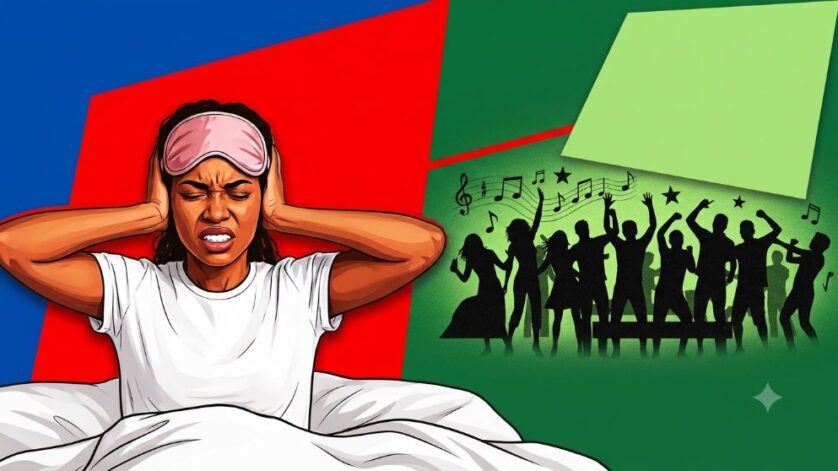
Noise pollution is a significant issue in many Ghanaian neighborhoods, often caused by loud music, religious activities, or late-night parties.
If a neighbor’s noise is preventing you from sleeping or enjoying your home, you have legal protections under the Environmental Protection Agency (EPA) guidelines and local assembly bye-laws.
1. Approach the Neighbor Amicably
The first step is often to talk to your neighbor. They may not realize how much the noise is affecting you. A polite request to lower the volume, especially after 10:00 PM, can resolve the issue without further conflict.
2. Report to the Local Assembly
In Ghana, Metropolitan, Municipal, and District Assemblies (MMDAs) have bye-laws governing noise. You can report persistent noise makers to the Environmental Health Officer (often called “Town Council”) at your local assembly. They have the power to issue warnings, seize equipment, or fine offenders.
The Role of the EPA
The Environmental Protection Agency (EPA) sets specific decibel limits for residential areas. If the noise is coming from a commercial entity (like a pub or church) in a residential zone, the EPA can conduct noise level tests and take legal action if the limits are exceeded.
3. Police Intervention
If the noise is accompanied by disorderly conduct or happens late at night, you can call the police. While they may not always have noise-measuring tools, they can intervene to maintain public peace and order.
Conclusion
You have a right to a quiet environment. Documenting the frequency and timing of the noise can help when making a formal report to the authorities.